Philosophy & Catholic Thought
Oscar Gaitan
Independent research in ontology, temporality, phenomenology, and Catholic theology.
Converso con el hombre que siempre va conmigo
—quien habla solo espera hablar a Dios un día—
Featured Essays - Destacados
Research Framework
The essays collected here develop an original philosophical framework at the intersection of ontology, philosophy of time, metaphysics, phenomenology, and Catholic theology.
Original Concepts & Structural Propositions
Research Areas
Ontology
Questions of being, identity, continuity, and persistence.
Philosophy of Time
Presence, temporality, memory, and the structure of the Now.
Catholic Theology
Grace, suffering, divine action, eternity, and the metaphysics of faith.
Phenomenology
Experience, selfhood, and first-person existence.
Metaphysical Anthropology
Human identity, moral agency, responsibility, and personhood.
Philosophy of Mathematics
Symbolic structures, abstraction, number, and ontological interpretation.
Recent Publications
Excerpt
Pantheism confuses identity with dependence: the universe and the All are not God, but remain grounded in the One from whom they are.
Extracto
El panteísmo confunde identidad con dependencia: el universo y el Todo no son Dios, sino que permanecen fundados en Aquel de quien proceden.
Extracto
Superbia sostiene que la soberbia comienza no en la autoexaltación, sino cuando la criatura se hace medida de aquello que fue creada para recibir.
Excerpt
Superbia argues that pride begins not in self-exaltation but when the creature makes itself the measure of what it was created to receive.
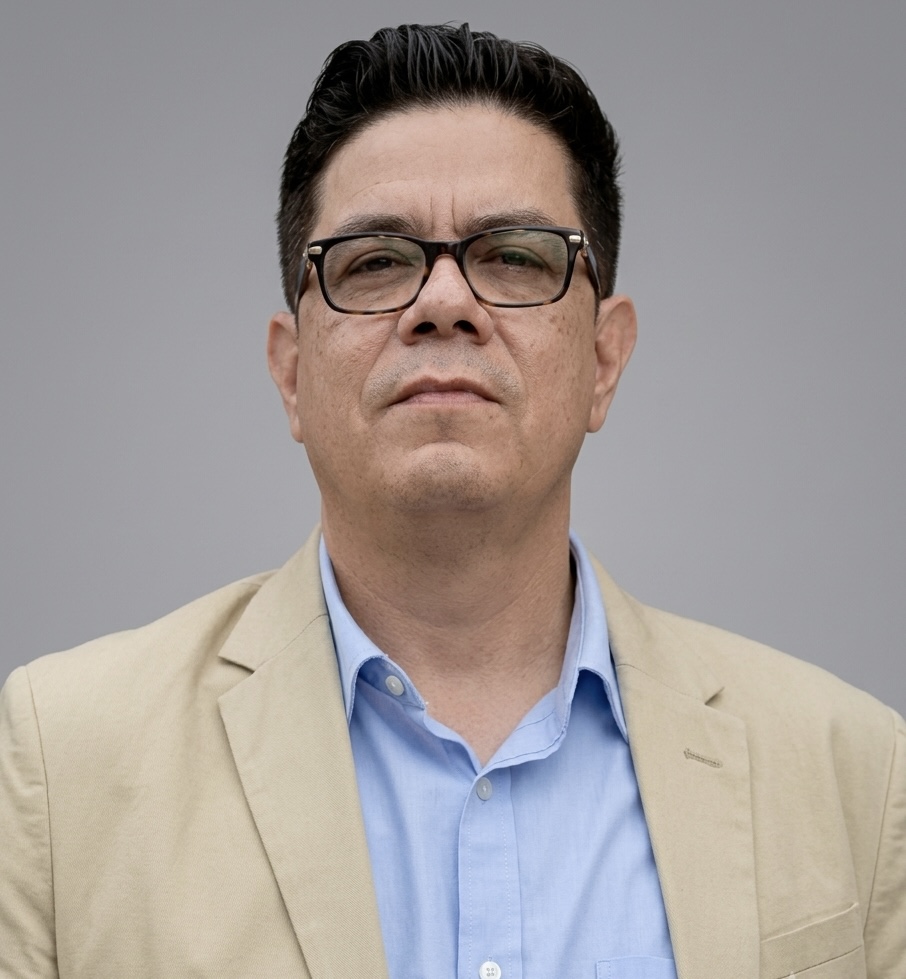
About
Oscar Gaitan is a Nicaraguan American independent philosophical researcher based in Los Angeles, developing an original philosophical framework on temporality, ontology, and metaphysical anthropology through publicly accessible open scholarship.
He is the author of The Lemniscate of Time: A Geometric Meditation on Eternity and Temporal Succession (2026), a monograph proposing the lemniscate (∞) as a contemplative framework for understanding the relationship between time and eternity.
His essays explore philosophical theology, phenomenology, consciousness, and the structure of human existence.
Contact
For scholarly correspondence, collaboration, or citation inquiries: